The Changing Role of Home Heating
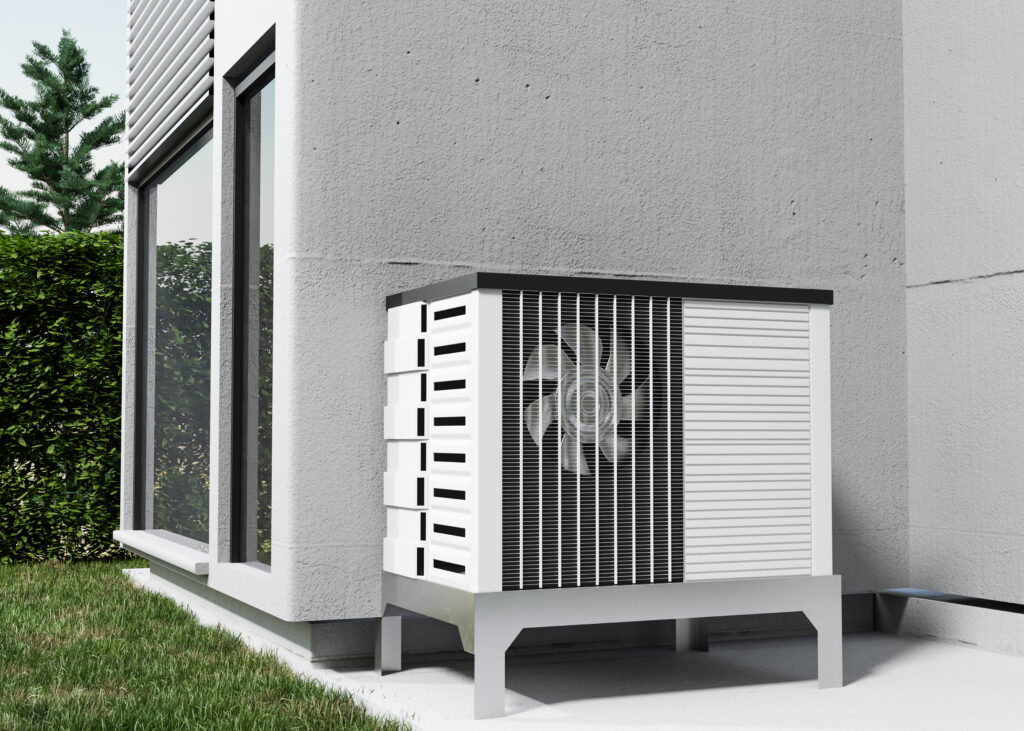
Modern homes are changing in how they use energy. Rising efficiency standards and environmental awareness have shifted attention towards low-carbon heating. Air source heat pumps are part of this change. They work by drawing heat from the outside air and transferring it indoors. This approach differs from traditional boilers, which rely on fuel combustion. Instead of producing heat directly, the system moves existing heat. This makes it a practical option for homes aiming to reduce reliance on fossil fuels. Air source heat pumps provide space heating and hot water. They are typically installed outside the property and linked to indoor systems. Their growing use reflects wider changes in how homes are designed and upgraded. Modern heating is no longer about quick bursts of high heat. It focuses on steady warmth and efficiency. Understanding this shift helps homeowners see where air source heat pumps fit within today’s living spaces.
How Air Source Heat Pumps Operate Day to Day
The operation of an air source heat pump is consistent rather than reactive. The system collects heat from the air using a refrigerant cycle. This heat is compressed and delivered to the home’s heating circuit. Electricity powers the process, but the heat output exceeds the electrical input. This is what gives the system its efficiency advantage. In daily use, the heat pump operates for extended periods at lower temperatures. Radiators may feel warm rather than hot. Underfloor heating works particularly well with this setup. The goal is to maintain a stable indoor temperature throughout the day. Sudden temperature changes are less common. This can feel different for those used to traditional boilers. However, many homeowners adjust quickly once expectations are clear. Understanding how the system behaves helps improve comfort and avoid unnecessary adjustments.
Integration With Modern Home Design
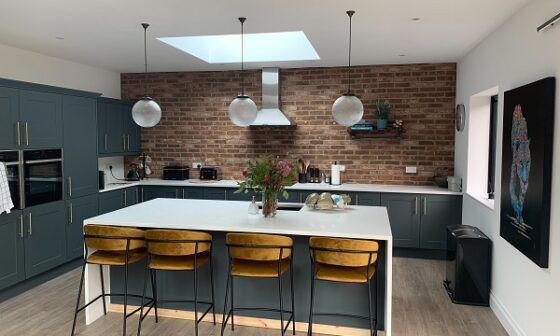
Air source heat pumps align well with modern home design principles. Newer homes often feature high insulation levels and improved airtightness. These features support low-temperature heating systems. Heat pumps benefit from this environment. They work most efficiently when heat loss is minimal. Modern controls also play a role. Smart thermostats and zoning systems enable more effective management of heat distribution. This fits well with open-plan layouts and flexible living spaces. Outdoor units are now quieter and more compact than earlier models. This makes placement easier, even in smaller properties. For homeowners upgrading older homes, some changes may be needed. Improved insulation or radiator upgrades can enhance performance. These adjustments are part of adapting a property to modern standards. When viewed as part of the overall home system, air-source heat pumps integrate smoothly rather than stand apart.
Energy Use and Household Efficiency
Energy efficiency is a key reason homeowners consider air source heat pumps. These systems can deliver several units of heat for every unit of electricity used. This efficiency depends on factors such as insulation, system size, and usage habits. Consistent operation usually produces the best results. Turning the system on and off frequently can reduce efficiency. Many households find that maintaining a steady background temperature works well. Electricity prices and climate conditions also influence running costs. Colder weather may increase electricity use, though the system continues to operate effectively. Understanding these patterns helps homeowners manage expectations. Efficient use is not automatic. It requires awareness of how the system responds to settings and routines. When used correctly, air source heat pumps can support predictable energy use and long-term household planning.
Maintenance and Ongoing Care
Like any heating system, air-source heat pumps require routine maintenance. Regular checks help maintain efficiency and reliability. This includes inspecting filters, checking airflow, and ensuring the outdoor unit remains clear of debris. Electrical components and controls also benefit from periodic inspection. A planned approach to maintenance helps avoid unexpected issues. Some homeowners prefer structured support for this process. Others manage basic checks themselves and schedule professional servicing when needed. Discussions of maintenance planning often reference frameworks such as ServiceMy, but the focus should remain on understanding system needs rather than on specific providers. Clear maintenance routines support system longevity. Well-maintained systems tend to perform more consistently over time. They also experience fewer disruptions during peak heating periods. Ongoing care is a practical part of integrating this technology into everyday home life.
Environmental Impact and Long-Term Relevance
Air-source heat pumps are often associated with lower household emissions. They do not rely on on-site fuel combustion. This lowers direct carbon output. As electricity generation continues to shift towards renewable sources, this benefit increases. For modern homes, this aligns with broader sustainability goals. Heat pumps also support long-term changes in energy infrastructure. Electric-based heating is expected to play a larger role in future housing. Advances in technology continue to improve system performance and ease of use. Controls are becoming more intuitive, and systems are adapting to a broader range of properties. For homeowners, understanding how air source heat pumps fit into modern homes is about preparation. It allows for informed decisions rather than rushed changes. With clear information, this technology can be approached with confidence.