This page contains affiliate links, meaning we may earn a small commission if you make a purchase through these links. Learn More
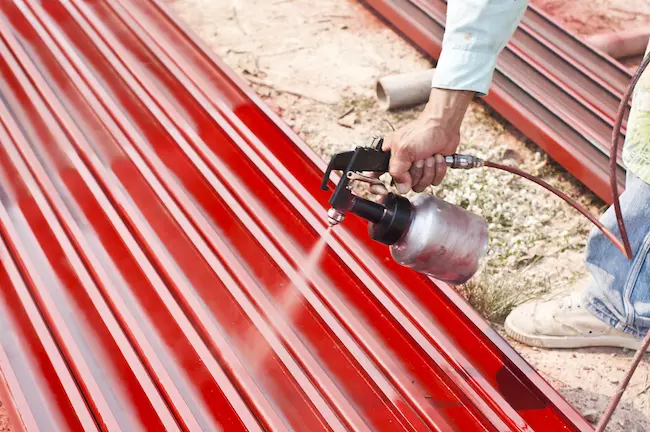
When it comes to achieving flawless paint finishes, the best air compressor paint sprayer emerges as a must-have tool.
Unlike traditional paintbrushes and rollers, these sprayers offer precise control over paint application, ensuring even coverage and reduced overspray.
They are ideal for various projects, from walls and furniture to intricate detailing on cabinets and trims.
How to Choose the Right Air Compressor Paint Sprayer
Selecting the perfect air compressor paint sprayer requires careful consideration of various factors to ensure it meets your specific project needs.
Types of Air Compressor Paint Sprayers
There are three main types of air compressor paint sprayers to choose from:
- HVLP (High Volume Low Pressure): Ideal for detailed work and providing a fine finish with minimal overspray.
- LVLP (Low Volume Low Pressure): Offers similar benefits to HVLP sprayers but requires a lower air volume.
- Airless Paint Sprayers: Suitable for larger projects and thicker coatings, providing quick coverage.
Considerations for Choosing
- Project Size: Determine whether you’ll be working on small, medium, or large projects.
- Paint Type: Consider the type of paint you’ll be using and its compatibility with the sprayer.
- Spray Pattern Adjustability: Look for models with adjustable spray patterns for versatility.
- Portability: If you need to move around frequently, opt for a lightweight and portable sprayer.
- Ease of Cleaning: Choose a sprayer with easy-to-clean components for hassle-free maintenance.
Top Picks: Best Air Compressor Paint Sprayers
No products found.
No products found.
No products found.
No products found.
No products found.
No products found.
Pro Tips for Achieving Painting Perfection with an Air Compressor Paint Sprayer
-
Prepare the Surface: Before you start painting, ensure that the surface is clean, dry, and free from dust, dirt, and debris. Proper surface preparation ensures better paint adhesion and a smoother finish.
-
Practice on Scrap: If you’re new to using an air compressor paint sprayer, practice on a scrap piece of material to get a feel for the spray pattern and paint flow. This will help you achieve better control and accuracy.
-
Mask and Cover: Use painter’s tape and drop cloths to mask off areas you don’t want to paint. This includes trim, windows, and fixtures. Proper masking prevents overspray and keeps your project neat.
-
Choose the Right Nozzle: Air compressor paint sprayers come with different nozzle sizes for various paint types and project sizes. Choose the nozzle size that suits your paint and project requirements to achieve optimal results.
-
Test the Pressure: Adjust the air pressure on your compressor to achieve the desired spray pattern. Different paints may require different pressure settings, so test on a small area before starting your main project.
-
Maintain Consistent Distance: Hold the sprayer at a consistent distance from the surface throughout the project. Typically, maintaining a distance of 6-10 inches provides an even coat without excessive overspray.
-
Overlap Strokes: When spraying, use overlapping strokes to ensure uniform coverage. Start each stroke slightly before the previous one ends, blending the paint for a seamless finish.
-
Keep a Steady Motion: Maintain a steady and controlled back-and-forth motion while spraying. Avoid sudden starts and stops, as this can lead to uneven coverage and drips.
-
Work in Sections: Divide your project into manageable sections and paint one section at a time. This prevents the paint from drying before you finish spraying, which can result in visible lines and inconsistencies.
-
Avoid Heavy Coats: It’s better to apply multiple light coats than a single heavy coat. Heavy coats can lead to drips and sagging, while light coats ensure better adhesion and a smoother finish.
-
Check for Runs: While spraying, keep an eye out for any runs or drips forming on the surface. If you notice a run, gently wipe it away before it dries.
-
Proper Ventilation: Ensure proper ventilation in the painting area. If you’re working indoors, open windows and doors, and consider using fans to help dissipate fumes.
-
Clean Thoroughly After Use: After you finish painting, clean the sprayer thoroughly according to the manufacturer’s instructions. Proper cleaning ensures the longevity of your equipment.
-
Protective Gear: Wear safety goggles, a mask, and gloves to protect yourself from paint particles and fumes. Safety should always be a top priority.
-
Patience Pays Off: Allow each coat to dry before applying the next one. Rushing the process can lead to imperfections and a less professional finish.
Can I use any type of paint with an air compressor paint sprayer?
Yes, most air compressor paint sprayers are compatible with various types of paint, including latex, acrylics, stains, and more.
Is overspray still an issue with air compressor paint sprayers?
While air compressor paint sprayers significantly reduce overspray compared to traditional methods, some overspray may still occur, especially when using high-pressure settings. To minimize overspray, practice on scrap materials before starting your project.
Are airless paint sprayers better for larger projects?
Airless paint sprayers are a popular choice for larger projects due to their ability to cover extensive areas quickly. They are also suitable for applying thicker coatings, such as exterior paints and primers.